
Streaming Services………
Think about it. We’ve reached a point where boredom barely exists anymore. Waiting rooms, bus rides, late nights, you can pull out your phone and instantly fall into a movie, a show, or a playlist that feels hand-picked just for you. Algorithms know what you like sometimes better than you do. One episode turns into “just one more,” and suddenly it’s 2 a.m. and the autoplay countdown is judging you.
Streaming didn’t just change how we watch, it changed how often we watch.
We’re spoiled now (And it shows), pun intended.
It also changed what we expect from entertainment. We want instant access, high quality, and no interruptions. Ads feel more annoying now because we’ve tasted life without them. Long loading times feel unbearable. And if a show doesn’t hook us in the first ten minutes? We move on. There’s always something else waiting.
The whole world is being watched!!
Another huge impact of streaming is how global entertainment has become. You don’t need to live in a specific country to enjoy its media anymore. A show released on the other side of the world can become a worldwide hit overnight. Subtitles and dubbing make language barriers almost irrelevant. Entertainment has become a shared experience across cultures, even if we’re all watching it alone in our rooms.
Streaming also changed the way people talk about entertainment. Instead of asking, “Did you catch that episode last night?” we now ask, “How far are you?” Spoilers became the bane of our existence. Social media made everyone hyper-aware of what’s trending, what’s worth watching, and what you’re “missing out on.”
But bear with me for a second.
Streaming has also made us impatient. We don’t like waiting. We don’t like limitations. And when something gets taken off a platform? It feels personal. The idea of owning media has slowly faded. We don’t buy DVDs. We don’t collect CDs. We trust that our favorite shows will always be there, until one day, they’re not.
Still, despite its flaws, streaming reflects the world we live in now: fast, digital, customizable, and constantly evolving. It fits our lifestyles. It fits our attention spans. It fits our need for comfort and escape.
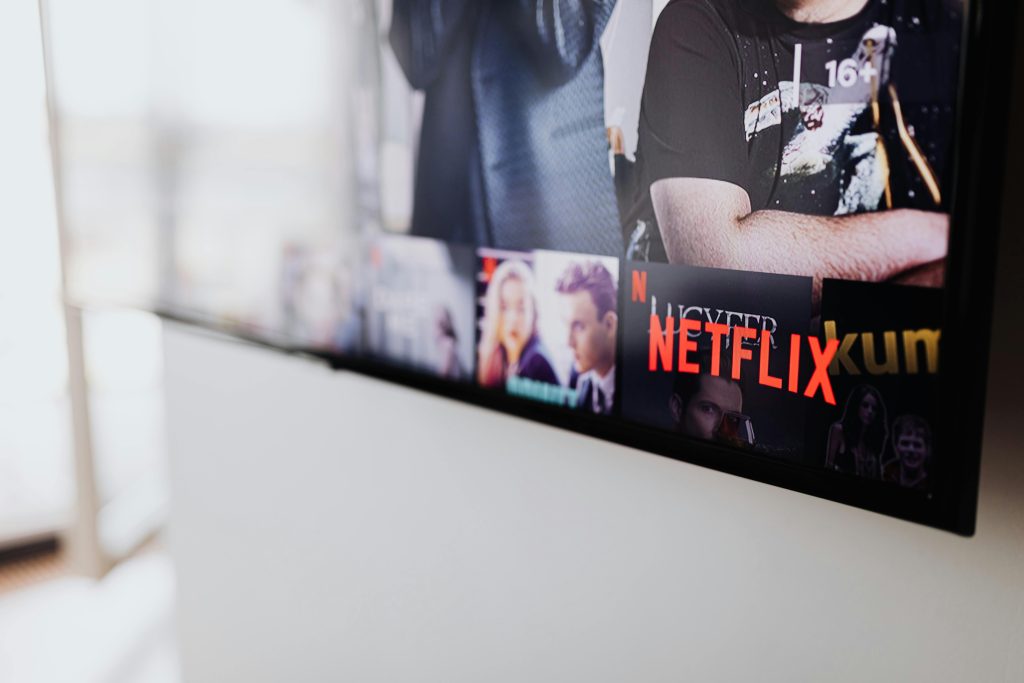
So yeah, streaming services are everywhere. You probably do have Netflix open right now. And whether we love it, criticize it, or complain about another price increase, streaming isn’t going anywhere. It didn’t just change entertainment.
And wait! there’s more!!!
The effects go even deeper than that.
Streaming has quietly reshaped our daily routines. Watching something used to be an event. Families gathered around one TV at a specific time. Missing an episode meant waiting for a rerun or hoping someone recorded it. Now, watching is something we casually squeeze into our lives, during meals, before bed, while doing homework, or even while scrolling on our phones at the same time. Entertainment has become background noise as much as it is an experience.
I wasn’t paying attention, what happened?
This shift has also changed our attention spans. Streaming platforms are built to keep us engaged for as long as possible, using autoplay, recommendations, and endless libraries. There’s always something queued up next, which makes stopping feel harder than continuing. Instead of asking ourselves, “Do I want to watch this?” we often just let the platform decide for us.
Creators have had to adapt to this reality, too. Movies and shows are now competing not just with each other, but with everything else on the internet. That’s why so many series start fast, hook you early, and rarely slow down. The first episode matters more than ever. If it doesn’t grab you quickly, it risks being forgotten in a sea of options.
It’s not just sorting algorithms.
Streaming has also blurred the line between art and data. Decisions about what gets made are increasingly influenced by viewer statistics, how long people watch, when they stop, what they rewatch, and what they skip. While this allows platforms to tailor content to audiences, it can sometimes make entertainment feel more calculated than creative. Still, when it works, it works really well.
Another interesting consequence of streaming is how it’s changed our relationship with music and movies emotionally. Because content is so easy to access, it can feel less special, but at the same time, it’s easier to discover something that deeply resonates with you. One random recommendation can lead to a new favorite artist, film, or genre you might have never explored otherwise.
And here we are, back to the future!
And then there’s the future.
Streaming continues to evolve, whether that’s through live content, interactive shows, or integration with social media. The way we consume entertainment will likely keep changing alongside technology. What won’t change is the desire to feel something, to laugh, escape, relate, or reflect. Streaming is just the current tool we use to satisfy that need.
So while it’s easy to complain about subscription overload, buffering, or shows disappearing overnight, it’s worth recognizing how much streaming has reshaped modern life. It turned entertainment into something personal, on-demand, and deeply woven into our everyday routines.
In the end, streaming isn’t just about what we watch or listen to; it’s about how we choose to spend our time, what we value, and how we connect to stories in a digital age.
Thanks for reading my blog! If you would like to, check out my other ones, for example, Bandlab vs. Soundtrap, and I’ll see you in the next one!